


Creating a home office that balances productivity with relaxation is essential for anyone working from home. A well-designed workspace can help you stay focused, reduce stress, and maintain work-life balance. Whether you have a dedicated room or a small corner at home, applying thoughtful strategies can transform your area into a comfortable and efficient office. Here’s how to create a home office environment that supports both your work goals and wellbeing.
1. Choose the Right Location
Find a Quiet Spot
Select a space with minimal noise and distractions. A quiet area helps you concentrate and reduces interruptions during important tasks or virtual meetings.
Consider Natural Light
Whenever possible, position your desk near a window to benefit from natural sunlight. Natural light improves mood and energy levels and can make your workspace feel more inviting.
Evaluate Space and Layout
Ensure you have enough room for your desk, chair, and any equipment you need. A cramped space can feel cluttered and stressful, so plan your layout to maximize comfort.
2. Invest in Comfortable and Supportive Furniture
Ergonomic Chair
Choose a chair that offers proper back support and adjustable features to prevent discomfort during long work hours.
Adjustable Desk
If possible, use a desk with adjustable height to allow for sitting or standing, which can improve circulation and reduce fatigue.
Organize for Accessibility
Keep frequently used items within reach to maintain flow and avoid unnecessary breaks in concentration.
3. Manage Lighting Effectively
Layer Your Lighting
Combine natural light with task lighting, such as a desk lamp, to reduce eye strain and create a well-lit work area.
Use Soft, Warm Lights
Avoid harsh fluorescent lighting. Soft, warm lights create a cozy atmosphere that can reduce stress and make the space feel more pleasant.
4. Keep Your Workspace Organized
Declutter Daily
Clear away unnecessary papers and items daily to maintain a tidy desk, which helps improve focus and reduces anxiety.
Use Storage Solutions
Incorporate shelves, filing cabinets, or desk organizers to keep your supplies arranged and out of the way.
Implement Cable Management
Use clips or cable sleeves to tidy up electrical cords and keep your desk neat and safe.
5. Personalize Your Space Thoughtfully
Add Plants
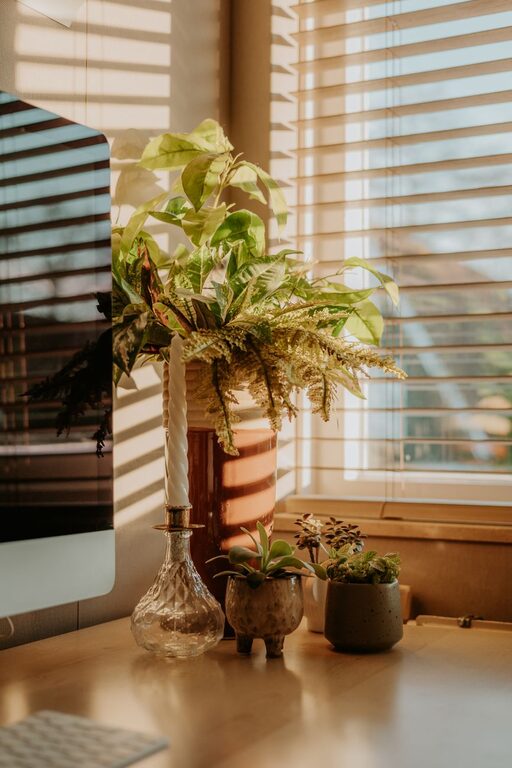
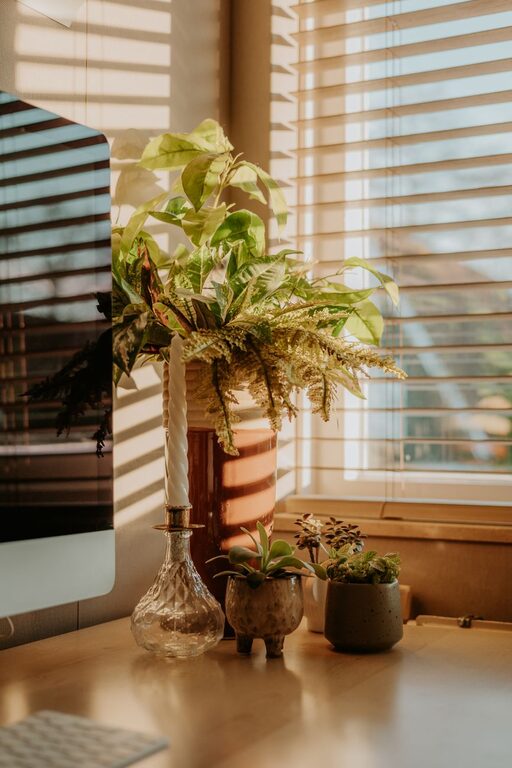
Indoor plants improve air quality and bring a touch of nature inside, which can have relaxing effects.
Include Personal Items
Photos, artwork, or meaningful objects can make your office feel inviting and motivating, but avoid overdoing it to keep distractions at bay.
Choose Calming Colors
Use gentle colors like blues, greens, or neutrals on walls or decorations to create a soothing environment.
6. Minimize Distractions
Use Noise-Cancelling Headphones
If noise is unavoidable, headphones can help you stay focused and block out background sounds.
Establish Boundaries
Communicate your work hours with family or roommates to reduce interruptions during important work periods.
Turn Off Notifications
Silence non-essential app alerts on your computer and phone to stay concentrated on your tasks.
7. Incorporate Break and Movement Areas
Take Regular Breaks
Step away from your desk to stretch, walk, or relax your eyes. This helps prevent burnout and maintains productivity.
Create a Small Relaxation Space
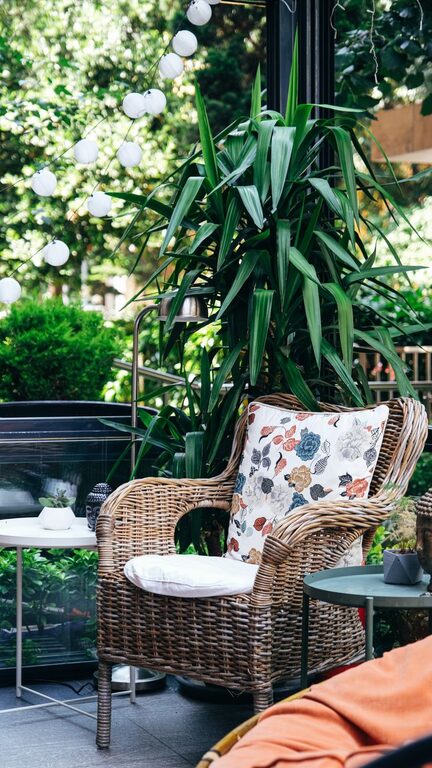
If space allows, set up a comfortable chair or cushion nearby where you can pause and recharge during breaks.
8. Use Technology Wisely
Optimize Your Tech Setup
Ensure your computer, monitor, keyboard, and mouse are ergonomically arranged to reduce strain.
Rely on Productivity Tools
Use apps and software for time management, task organization, and communication to stay on track.
9. Maintain Good Air Quality and Temperature
Ventilation
Keep your office well-ventilated by opening windows or using fans to circulate fresh air.
Control Temperature
Adjust your room’s temperature to a comfortable level to avoid distractions caused by discomfort.
Conclusion
Designing your home office with both productivity and relaxation in mind can enhance your work experience significantly. By selecting the right space, investing in ergonomic furniture, managing lighting, and organizing thoughtfully, you create an environment where you can thrive emotionally and professionally. Remember to personalize your office, minimize distractions, and take regular breaks to maintain balance. With these tips, your home office can become a place you look forward to spending your workdays.