


Creating a relaxing home workspace is essential for maintaining focus, reducing stress, and improving productivity—especially as more people work remotely. When your work area feels comfortable and inviting, it’s easier to stay motivated and maintain a healthy work-life balance. This guide offers practical tips to help you design a home workspace that supports both your comfort and efficiency.
Choose the Right Location
Selecting the perfect spot for your workspace is the first step. Ideally, your home office should be in a quiet area that is free from distractions. If possible, choose a room with a door you can close during work hours to help set boundaries. Natural light is also a key factor to consider, as it can boost your mood and energy levels throughout the day.
If space is limited, find a corner in a less-used room or consider using a room divider to create a distinct work zone in a larger space.
Invest in Ergonomic Furniture
Comfortable furniture is critical to working efficiently and avoiding physical strain. An ergonomic chair that supports your spine and encourages proper posture can reduce back pain and fatigue. Pair this with a desk at the right height to keep your arms and wrists comfortable while typing or writing.
Consider adjustable furniture that adapts to your needs—for example, a sit-stand desk allows you to alternate between sitting and standing, improving circulation and reducing stiffness.
Optimize Lighting for Comfort and Focus
Good lighting is more than just a nice feature—it affects how well you can concentrate and reduces eye strain. Take advantage of natural daylight as much as possible by placing your desk near a window.
Supplement natural light with layered lighting options: a bright overhead light for general illumination plus a task light, like an adjustable desk lamp, aimed directly at your work area. Avoid harsh fluorescent lights or overly warm bulbs; daylight-balanced LED bulbs are a great choice for a comfortable work atmosphere.
Reduce Clutter for a Calm Environment
A cluttered workspace can make it difficult to concentrate. Keep your desk surface clear by organizing papers, supplies, and electronics in storage solutions like drawers, shelves, or desk organizers.
Create a habit of tidying up at the end of each workday. This simple routine sets a clean slate for the next day and contributes to a more relaxing work environment.
Personalize Your Space
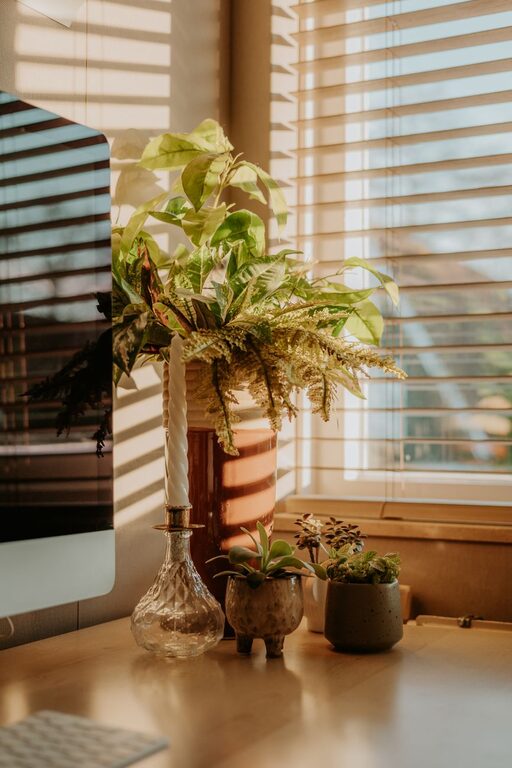
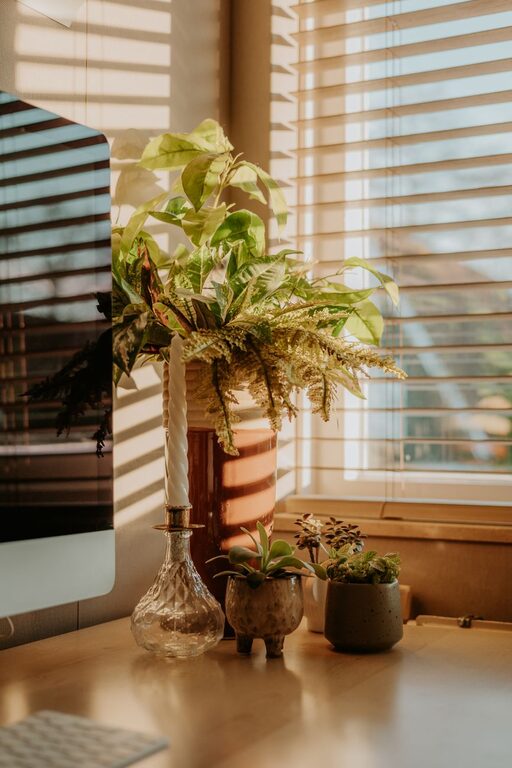
Adding personal touches can make your home office feel more inviting and inspiring. Incorporate items such as plants, artwork, or meaningful objects that uplift your mood without causing distraction.
Plants, in particular, improve air quality and provide a calming presence. Choose low-maintenance varieties like snake plants or succulents if you’re new to plant care.
Manage Noise Levels
Noise can be a major distraction when working from home. If you’re facing noisy surroundings, consider solutions like noise-cancelling headphones or white noise machines to drown out background sounds.
Soft furnishings like curtains, rugs, and cushions also absorb sound, reducing echoes and making your space quieter.
Prioritize Cable Management and Technology Setup
Tidy cables and a well-organized technology setup reduce visual distractions and help maintain a smooth workflow. Use cable clips, sleeves, or boxes to keep wires neat and out of sight.
Ensure your computer, monitor, keyboard, and other devices are positioned ergonomically and updated regularly to prevent technical frustrations that can interrupt your focus.
Maintain a Consistent Routine
A relaxing workspace supports your productivity, but so does a consistent work routine. Try to start and end your workday at the same times, and schedule regular breaks to stretch, move around, and rest your eyes.
Use reminders or timers to encourage focused work sessions, followed by brief pauses. This practice, known as the Pomodoro Technique, can enhance concentration and prevent burnout.
Incorporate Relaxation Techniques
Finally, consider adding elements to your workspace that encourage relaxation during breaks. A comfortable chair for short rests, a meditation cushion, or even a few minutes of deep breathing exercises can help calm your mind.
Some people find having calming scents like lavender or eucalyptus helpful—using candles or essential oil diffusers can contribute to a more peaceful environment.
—
By following these tips, you can create a home workspace that not only boosts your productivity but also supports your comfort and wellbeing. A thoughtfully designed work area encourages a balanced lifestyle where work feels manageable and even enjoyable. Whether you’re setting up a new office or refining your current space, these strategies can help turn your home into a productive and relaxing workplace.