


Creating a relaxing home workspace is essential for anyone working remotely or spending time at a desk. A calming environment helps reduce stress, improve focus, and boost overall productivity. Whether you have a dedicated office room or just a small corner of your home, these tips will help you design a workspace where you feel comfortable and motivated.
Choose the Right Location
Finding the right spot for your workspace is the first step. Ideally, pick a quiet area with minimal distractions. If possible, select a room with natural light as it can enhance your mood and energy levels. Avoid placing your desk in high-traffic zones, like near TV rooms or busy hallways, to maintain focus.
Consider Privacy and Noise
If your home is busy, think about noise-canceling solutions, such as headphones, a white noise machine, or soft background music. For added privacy and separation, use room dividers or curtains to create a designated work zone.
Invest in Comfortable and Functional Furniture
Your workspace furniture greatly affects how you feel and work throughout the day. Here are some essentials to consider:
– Ergonomic Chair: Choose one that supports good posture and reduces strain on your back and neck.
– Adjustable Desk: A sit-stand desk allows you to alternate between sitting and standing, which is healthier.
– Adequate Surface Space: Ensure your desk has enough room for your computer, paperwork, and any tools you use regularly.
Declutter and Organize
A cluttered desk can be stressful and distracting. Keep only the items you need daily on your workspace. Use organizers, drawers, or shelves to store paperwork, office supplies, and electronics when not in use. Regularly tidying your workspace helps maintain a calm atmosphere.
Simple Organization Tips
– Use labeled containers or trays for small items like pens, paperclips, and sticky notes.
– Keep cables neat with clips or covers.
– Digital organization counts too—clean up your computer desktop and files to ease mental clutter.
Incorporate Personal Touches
Adding personal items can make your workspace feel inviting and reduce stress. However, keep this balanced to avoid overcrowding.
– A few framed photos or inspiring artwork.
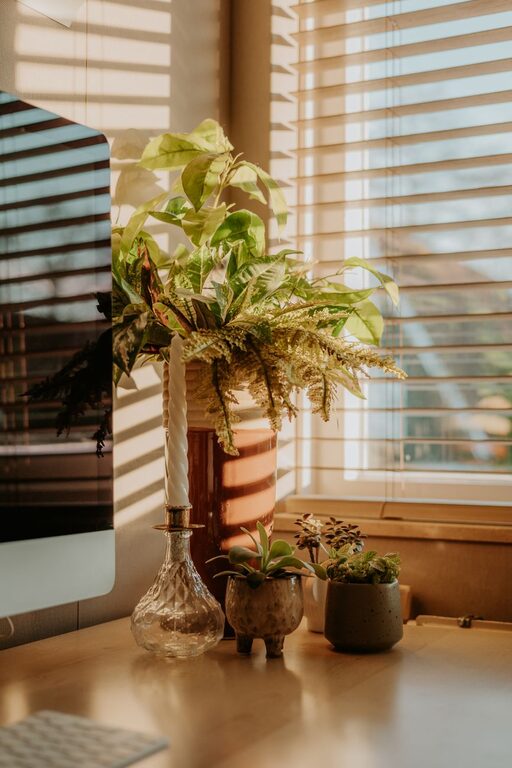
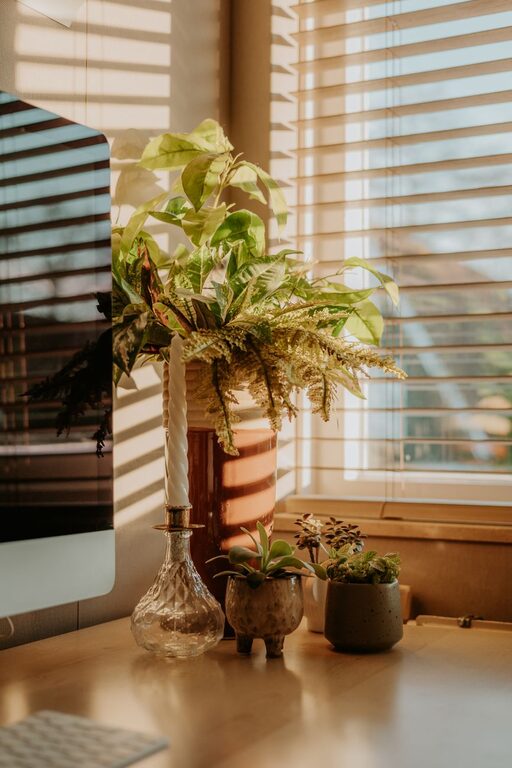
– A small plant, which adds greenery and can improve air quality.
– A favorite mug or a decorative item that brings you joy.
Manage Lighting Wisely
Good lighting is crucial for eye comfort and overall ambiance. Maximize natural light when possible by placing your desk near a window. Avoid harsh overhead lights—opt for a desk lamp with adjustable brightness to reduce eye strain. Warm light tones are generally more relaxing than bright white or blue lights.
Set the Right Temperature and Air Quality
Your workspace should be comfortable temperature-wise. Use a fan, heater, or humidifier to maintain a pleasant environment. Fresh air is important, so open windows when weather permits or use an air purifier, especially in closed rooms.
Establish a Routine and Boundaries
Creating a relaxing workspace also involves setting boundaries. Define your work hours to help separate work time from personal time. Inform family members or roommates about your schedule to minimize interruptions.
Consider rituals that signal the start and end of your workday, such as:
– Starting with a short meditation or stretch.
– Closing your laptop and tidying your desk at day’s end.
Minimize Digital Distractions
Digital overload can be just as stressful as a cluttered desk. Use focus tools and apps to block distracting websites during work hours. Turn off non-essential notifications on your computer and phone.
Take Regular Breaks
Even the best workspace needs breaks to keep you relaxed and productive. Use techniques like the Pomodoro method (25 minutes of work followed by a 5-minute break) to stay refreshed.
During breaks, step away from your desk, stretch, or do breathing exercises to release tension.
Final Thoughts
Designing a relaxing home workspace is about creating an environment that supports your well-being and work habits. By paying attention to location, comfort, organization, personal touches, and daily routines, you can turn any space into a calm and productive haven. Experiment with these tips to find what works best for you and enjoy the benefits of a balanced home office setup.